Part of the autistic experience is sensory differences- in that some sensory experiences are felt more or less intensely than a non-autistic person.
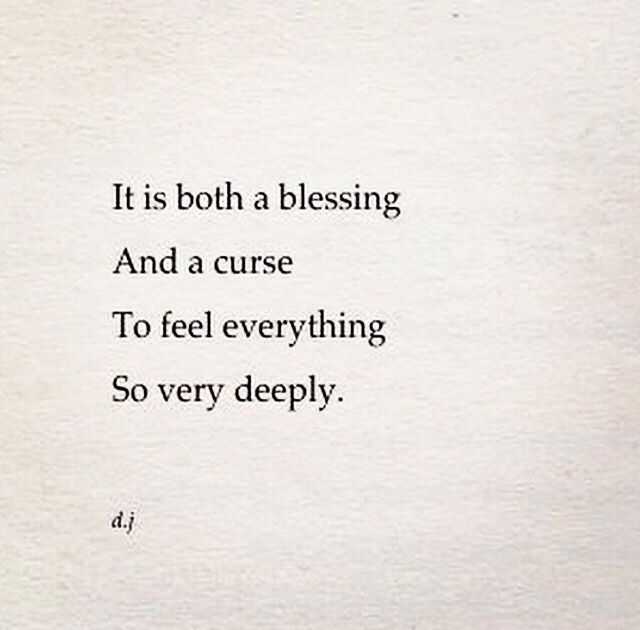
The way others feelings are sensed is no exception to this. We feed from and communicate via energies. Words are not our first language for many of us. We get ‘feelings’ from people often.
Feeling other people’s feelings can be exhausting, confusing, anxiety provoking. Some of us actually feel others heartache and pain. Some of us feel others emotions but cannot always make full sense of them, leaving us with a sense of confusion, many of us feel them so intensely that we working out if they are our feelings or someone else’s is impossible.
Many of us autistic people are fixers, so we want to stop the uncomfortable sensations for others and ourselves by sorting the situation for the person suffering. Some of us become overwhelmed and withdrawn or shutdown. Some of us express this in a more outward way through overwhelm driven meltdowns. Some of us will find the confusion awkward and distressing which could result in un-expected or unusual (to the non-autistic) responses to others emotions.
No matter the experience, for the autistic individual, this is exhausting, emotionally draining and distressing.
How can this look in everyday life
You are waiting at a bus stop, a toddler is crying in his pushchair, you can feel his upset, you feel distressed, you desperately want to take him in your arms and calm him. His tears bring tears to your eyes. You discreetly cry or maybe you become so overwhelmed that your brain goes into fight or flight mode.
A teen is sat in class, the students are rowdy and loud and rude. The teacher is trying to re-gain control while the class taunt her. The teacher is becoming increasingly distressed and teary. You can feel the emotion in your chest, its tight. You try to tell your peers to stop being horrible and to be quiet, they then turn on you, chanting ‘teacher’s pet’. The feeling is too strong, you withdraw, you shutdown.
You are at work, you are sat in a meeting, around a table discussing a child’s future, Mum is sat across the table from you. The Family are at crisis, the Mum is in tears. No one shows any empathy, cold faces surround you, this confuses you, on top of being fuelled from the mother’s distress is too much to bear, you get cross, verbally lashing out at the people in the room whose job it is to help this family. You’re them deemed unprofessional and un-boundaried in your role.
A young boy aged 4, surrounded by adults crying and upset, Grandad has died. You are young and yet to process or comprehend this. Your Daddy is crying, you have never seen daddy cry. This is confusing. You feel overwhelmed and scared. You want daddy to go away, to remove the distress his crying is causing you, you lash out, you hit Daddy, you don’t want to see his sad face. You want him away from you.
You are in a relationship. You feel anger, upset, distress form your partner, you don’t know why this is, you don’t know if its you. The sensation is confusing, anxiety provoking. You feel insecure and scared. Are these your feelings, your partners feelings? You want it to stop, you want to feel secure, safe. The anxiety can make some of us trey to fix and fawn, for some of us we will withdraw, some of us will argue, get cross as the anxiety takes over.
And at the other end of the emotions spectrum…..
A father sobbing with joy at his child’s laughter. And deemed unusually emotionally for a male.
A women who is ecstatic with joy, crying with joy at the birth of a stranger’s baby. She is viewed as over emotional and hormonal.
A toddlers over excitement of another child’s sounds of happiness while swinging at the park. An excitement that becomes so intense they become overwhelmed and then embrace the child with such force she is knocked off the swing. The child is then told off.
We feel, we care and we are easily emotionally drained by others. These feelings can be towards people, animals, places, belongings.
2 replies to "Autistic Hyper Empathy"
I feel this so intensely. This is why I am bad for my son who feels this way too but he is autistic 30 and cannot understand it. I have always felt others emotions and blamed myself from early childhood. I di not know how to protect my son from this.
I am sad.
Awareness and acceptance is how we can support, as well as communicating our emotions where we can to avoid confusion.